
How to Hire a Top Digital PR Agency USA for Scalable Brand Growth
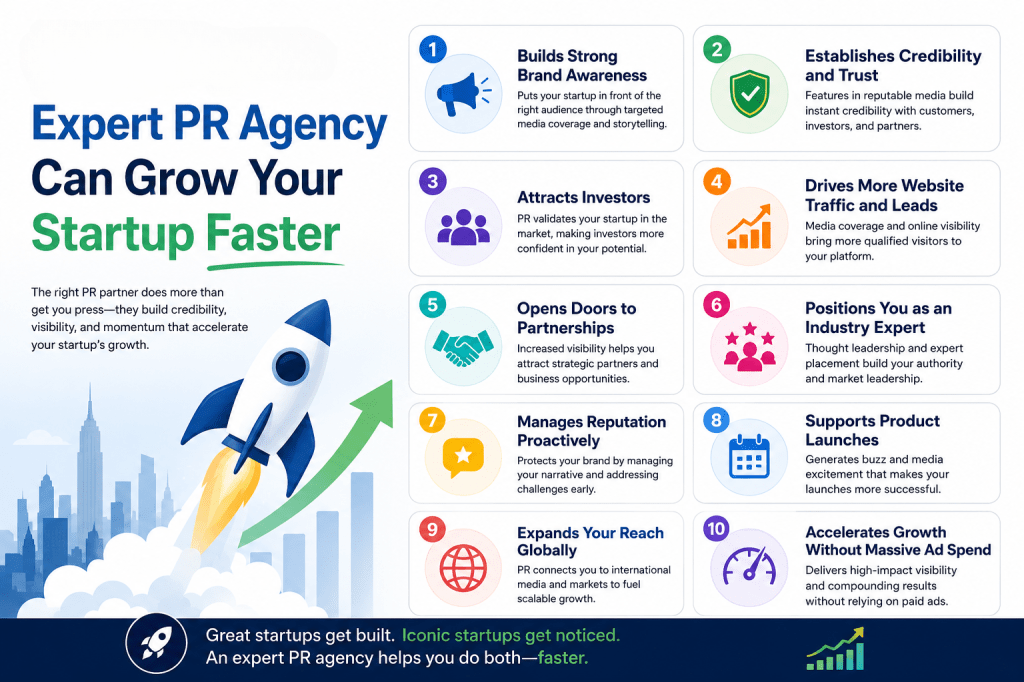
Modern businesses face intense competition in the digital landscape, making corporate visibility a primary requirement for long-term commercial survival. Partnering with a premier digital PR agency USA provides corporations with the strategic communication framework necessary to capture market share and elevate authority. Utilizing data-driven media campaigns, enterprise organizations can secure placements across high-authority news platforms, industry journals, and broadcast networks.
Quick Answer Summary: A professional public relations agency elevates corporate visibility by distributing strategic narratives through high-authority media networks. These tailored communication services boost organic search visibility, establish executive thought leadership, and foster sustainable customer trust across targeted geographic demographics.
Building a sustainable digital footprint requires deep knowledge of modern media algorithmic structures and comprehensive narrative syndication methods. Brand development relies heavily on how effectively an organization transmits its core messaging to active consumer segments. Therefore, implementing a modern media strategy ensures your enterprise maintains a competitive advantage while fostering deep consumer trust.
Why choosing a digital PR agency USA is critical for expanding your market reach
Expanding your corporate footprint within the competitive North American market requires localized media expertise and deep journalistic relationships. A specialized digital PR agency USA provides the infrastructure necessary to navigate complex multi-channel media ecosystems effectively. These organizations understand the cultural nuances and regional preferences that dictate how American consumers interact with corporate communications.
Furthermore, American media landscapes remain highly fragmented across diverse digital platforms, localized news networks, and industry-specific journals. Navigating this architecture independently often results in inefficient resource allocation and minimal media pickup for growing enterprises. Working with an experienced public relations agency allows brands to deploy highly targeted campaigns that resonate with specific demographics. Consequently, companies achieve measurable growth, improved brand recall, and sustained industry authority across their entire operational footprint.
How modern public relations practices directly influence organic search engine visibility metrics across global platforms
Modern search engine algorithms prioritize digital signals that demonstrate systemic authority, authentic trustworthiness, and consistent corporate transparency. Engaging an expert PR agency ensures your corporate messaging creates high-quality digital footprints that search engines recognize as authoritative. When prominent news publications reference your corporate milestones, search engine crawlers index these citations as validation of your market relevance.
Furthermore, these editorial features generate contextual signals that validate your core business categories to complex search algorithms globally. As a result, your primary digital assets experience enhanced visibility across competitive informational queries related to your specific sector. Sustained media exposure transforms your corporate domain into a trusted resource, driving compounding organic discovery over extended operational timelines.
Understanding the operational differences between legacy corporate communications and modern high-impact digital PR strategies
The key difference between legacy print PR and modern digital PR is the underlying distribution infrastructure and analytical measurement framework. Legacy methodology focused almost exclusively on physical print publications, local broadcast television segments, and static radio broadcast placements. Conversely, modern strategy utilizes targeted press release distribution mechanisms designed to capture attention across dynamic online ecosystems.
Digital communication strategies leverage interactive hyperlinks, multimedia embeds, and real-time behavioral data to optimize ongoing audience engagement. This paradigm shift allows brands to track exact referral pathways, conversion metrics, and content interactions directly from single campaigns. Modern campaigns continue generating value years after initial publication by remaining discoverable within digital knowledge graphs globally.
How to evaluate press release distribution pricing packages for maximum return on investment
Allocating capital toward corporate communication initiatives requires a granular understanding of the financial structures governing modern media syndication. Analyzing press release distribution pricing helps corporate decision-makers maximize external communications budgets while avoiding hidden publishing fees. Transparent pricing models reflect the quality of the underlying media network, syndication endpoints, and reporting depth provided.
Moreover, budget allocations must balance upfront costs against the long-term strategic value of permanent digital media placements. Low-cost alternatives often sacrifice placement quality, distributing content to low-authority scrape sites that provide zero brand value. Conversely, premium packages offer guaranteed placement on major regional news affiliates, top-tier financial networks, and respected trade publications. Therefore, evaluating options based on network reach ensures your organization achieves optimal market penetration per dollar spent.
Analyzing the underlying cost factors that determine premium corporate media syndication service fees
The structural cost of a media campaign depends on geographical targeting parameters, industry categorization options, and translation requirements. Premium networks require substantial operational capital to maintain direct data feeds into global newsrooms, financial terminals, and journalist databases. When a corporation utilizes an advanced press release distribution platform, fees cover automated compliance checks and editorial reviews.
Additionally, multi-media asset integration like high-definition images, infographic embeds, and corporate video files increases transmission bandwidth costs. Understanding these variables prevents unexpected expenditure increases during urgent corporate announcements or sensitive crisis management campaigns. Brands can then select options aligned with their specific operational goals and immediate financial constraints.
How to calculate the long term financial value of high authority editorial backlink profiles
Quantifying the financial returns of earned media requires looking past immediate referral traffic to evaluate long-term domain authority changes. High-authority editorial citations serve as permanent digital assets that continuously signal industry relevance to global search engine algorithms. Over time, these signals increase the organic ranking performance of an organization’s primary commercial landing pages.
By achieving higher organic positions for competitive industry keywords, companies can systematically reduce their dependence on paid advertising. The long-term value of a single publication equals the cumulative cost of acquiring equivalent traffic through paid channels. Consequently, strategic investments in authoritative media distribution deliver compounding financial returns across your entire digital marketing ecosystem.
Key features to look for in a top press release distribution platform
Selecting an enterprise-grade syndication network requires analyzing the technological infrastructure supporting the service provider’s delivery mechanisms. A premier press release distribution platform must offer direct integration with major global newsrooms, search engines, and financial databases. This technical architecture ensures corporate announcements reach working journalists, industry analysts, and retail consumers simultaneously without systemic delay.
Furthermore, advanced platforms include sophisticated demographic filters, allowing brands to segment audiences by industry, region, and consumer behavior. Without these analytical filtering tools, corporate communications risk being ignored by over-saturated media professionals and irrelevant audiences. High-tier platforms provide real-time analytics dashboards that track exact view counts, link clicks, and media pickups instantly. Securing access to this granular data allows marketing teams to refine ongoing messaging strategies and maximize audience engagement.
Why comprehensive analytics dashboards are vital for measuring the performance of media campaigns
Modern corporate environments require data-driven validation for all marketing expenditures, making comprehensive analytics dashboards critical for campaign evaluation. Advanced reporting tools provide explicit proof of publication by delivering direct hyperlinks to every media site indexing your announcement. These platforms track user interaction metrics, including geographical location, device types, and audience viewing times per page.
Evaluating these metrics allows corporate communications directors to identify which angles generate the highest engagement levels across demographics. Armed with empirical data, marketing teams can continuously optimize headline structures, body copy formatting, and call-to-action positions. Continuous optimization transforms routine corporate announcements into highly effective tools for sustained customer acquisition and market penetration.
Evaluating user interface simplicity and editorial compliance workflows within modern cloud software
The operational efficiency of your internal marketing team depends directly on the usability of your chosen syndication software interfaces. Top-tier platforms feature intuitive dashboards that simplify the entire submission process, from copy pasting to multimedia asset attachment. Automated formatting checks catch compliance issues, broken links, or style violations before submission, preventing costly distribution delays. Furthermore, integrated editorial workflows connect users with live communication experts who review copy for compliance with global journalistic standards. This collaborative framework ensures all corporate communications maintain high editorial standards before reaching external media networks.
Analyzing the scope of global media databases integrated within modern distribution engines
A syndication service is only as powerful as the depth and verified accuracy of its underlying media contact database. Premier distribution platforms maintain updated registries containing hundreds of thousands of verified journalists, editors, and influential freelance writers globally. These lists are continually updated to reflect newsroom staff changes, beat adjustments, and emerging digital publication launches. Access to structured databases ensures corporate messaging reaches professionals actively looking for stories within your specific industry sector. This targeted precision maximizes media pickup rates while preventing campaigns from being flagged as spam by irrelevant newsrooms.
How a professional public relations agency crafts compelling brand narratives for audiences
Developing an impactful corporate narrative requires moving past basic product descriptions to create emotionally resonant, value-driven brand stories. A premier public relations agency uncovers the human elements, technological innovations, or societal challenges driving an organization forward. By aligning corporate milestones with broader macroeconomic trends, agencies create compelling content that external journalists want to cover.
This narrative strategy transforms routine business announcements into engaging interest stories that capture attention across diverse digital spaces. Audiences reject purely promotional content but engage deeply with narratives that address real-world problems or offer unique perspectives. Expert publicists use sophisticated storytelling frameworks to build emotional connections between your corporate entity and targeted consumer groups. Over time, this consistent narrative positioning builds strong customer loyalty, shields the brand during crises, and establishes industry leadership.
The strategic process of aligning corporate milestones with broader macroeconomic industry trends
Connecting specific corporate announcements with large-scale global industry shifts maximizes media relevance and increases coverage potential across networks. When an organization frames a new product launch as a solution to a widespread economic problem, media interest increases. Experienced publicists analyze current economic conditions, consumer sentiment shifts, and technological movements to find strategic alignment opportunities.
This contextual framing elevates standard corporate announcements into essential commentary on the evolving state of your industry sector. Journalists are more likely to feature executives who provide valuable insight into where the market is heading next. Consequently, this strategy increases media pickup while establishing your corporate leadership team as trusted thought leaders globally.
Balancing journalistic objectivity with promotional marketing objectives within corporate announcements
Writing effective media materials requires balancing informative journalistic objectivity with your organization’s underlying promotional goals. Editorial newsrooms reject content that reads like a sales brochure, filtering out overly promotional adverbs and unverified claims. Experienced content strategists address this by presenting verifiable facts, data points, and neutral quotes that demonstrate value objectively.
The promotional element is woven naturally into the narrative by showing how the development impacts the industry. Maintaining this editorial balance protects your brand’s professional reputation among discerning journalists and media gatekeepers. As a result, your announcements achieve higher acceptance rates across prestigious publications, building long-term authority for your brand.
Strategic advantages of localized media targeting for regional brand development
A successful global expansion strategy relies on an organization’s ability to establish deep, trusted relevance within specific regional markets. Implementing targeted regional distribution campaigns allows brands to connect with local communities by addressing area-specific economic realities and consumer needs. This localized approach prevents messaging from getting lost in broad global campaigns that overlook regional nuances.
Furthermore, local news publications often enjoy high levels of consumer trust and community engagement within their geographic territories. When a trusted local news station covers your business expansion, residents view the company as an invested community partner. This localized credibility accelerates market entry, simplifies local hiring efforts, and drives direct foot traffic or regional sales conversions. Partnering with a specialized PR agency helps brands balance wide global visibility with targeted regional impact.
Maximizing regional customer acquisition through highly targeted geographical news syndication campaigns
Geographically targeted media distribution allows businesses to focus marketing resources on areas with the highest potential return on investment. By delivering tailored narratives directly to regional news channels, businesses build immediate relevance with local consumer groups. For example, a retail brand expanding into the Midwest can run campaigns highlighting local job creation and community investment.
This positioning separates the organization from generic national competitors by showing direct alignment with local economic interests. Regional coverage often experiences less initial competition, allowing announcements to secure prominent positions across local media outlets. This focused visibility generates high-quality inbound referral traffic and drives conversions from geographically relevant consumer segments.
The role of local community engagement in building long term corporate reputation insurance
Building a solid reputation within local communities creates a protective buffer that shields corporations during macroeconomic volatility or unexpected operational crises. When a company actively participates in local economic growth, it builds long-term goodwill with regional stakeholders and regulatory bodies. Local media coverage documents this positive corporate citizenship, creating an enduring online record of community support and operational integrity.
Should the organization face future public scrutiny, this established history of community commitment provides vital reputational balance. Audiences are more likely to support brands with a documented history of contributing positively to regional development. Investing in local media relations builds a strong foundation of community trust that protects corporate longevity over time.
Maximizing the benefits of your chosen press release distribution websites
To maximize return on media spend, companies must look beyond basic syndication to optimize every element of their distribution strategy. Utilizing premium press release distribution websites requires selecting appropriate industry codes, timing your releases strategically, and maintaining clean metadata. Improperly configured campaigns can miss target journalists entirely, even when deployed across top-tier distribution networks.
Additionally, maximizing campaign value requires integrating media relations with your broader digital marketing, social media, and search engine optimization initiatives. Sharing earned media coverage across corporate channels extends the lifecycle of every placement and maximizes audience touchpoints. Converting text announcements into downloadable case studies, executive insights, and interactive social graphics extracts multi-channel value from single investments. This integrated approach ensures your communication budget works continuously to build authority, drive engagement, and generate conversions across platforms.
Best practices for optimizing multi-media asset inclusion within modern news syndication submissions
Including high-quality visual components within your media submissions significantly increases journalist engagement levels and overall pickup rates across networks. Modern newsrooms operate under tight timelines, meaning editors prefer stories that include ready-to-publish, high-resolution visual assets. Including professional product imagery, executive headshots, or clear infographics allows journalists to build visually engaging stories quickly.
Furthermore, multi-media elements should include descriptive alt-text and structured captions containing relevant industry terms to improve indexing. Proper metadata configuration allows search engine crawlers to discover and index your visual assets within image search results. This multi-media optimization expands your discoverability footprint, capturing additional organic traffic from audiences looking for visual information.
How to systematically repurpose earned media coverage across corporate social channels for extended reach
The value of an editorial placement extends far past its initial publication date on a third-party news site. Smart marketing organizations maximize this value by sharing earned coverage across all owned corporate distribution channels. Transforming a major media mention into a detailed LinkedIn thought leadership post demonstrates validation to your professional network.
Similarly, highlighting media coverage within client newsletters reinforces authority and reassures prospects of your market-leading position. Sharing these placements builds third-party validation into your sales funnel, accelerating prospects through the decision-making process. Repurposing media wins keeps your corporate communications active, driving value long after the initial distribution cycle ends.
Essential steps for creating an all-encompassing corporate communications framework
Developing an effective corporate communications structure requires shifting from reactive, ad-hoc announcements to proactive, long-term media planning. An all-encompassing framework aligns communication goals directly with high-level corporate growth milestones and overarching business objectives. This organized approach ensures every campaign supports your market positioning, whether launching products or announcing executive transitions.
Furthermore, an effective communications structure requires setting up a dedicated digital press room on your primary corporate domain. A centralized newsroom provides journalists with immediate access to archive materials, executive bios, brand assets, and historic media coverage. Maintaining this accessible infrastructure simplifies the coverage process for media professionals, leading to increased pickup over time.
Establishing quantifiable key performance metrics to accurately track multi channel media campaigns
Evaluating media campaign success requires balanced measurement frameworks that track both raw visibility and bottom-line commercial impact. Quantitative metrics record total syndication endpoints, overall audience reach, and the geographic distribution of your placements. Meanwhile, qualitative analysis measures domain authority scores, brand sentiment shifts, and key message inclusion across coverage.
Finally, conversion metrics track direct referral traffic, organic brand search increases, and lead generation from specific media placements. Monitoring these interconnected data points allows communications directors to prove the clear financial value of their initiatives. This empirical insight guides strategic budget allocation, ensuring continued optimization of your brand’s external messaging.
Building sustainable brand authority requires maintaining a consistent, well-paced media presence rather than relying on sporadic announcements. A structured editorial calendar helps marketing teams plan, develop, and distribute narratives evenly throughout the fiscal year. This consistent distribution schedule keeps your organization visible to target audiences, industry analysts, and market journalists.
Continuous communication signals operational stability, corporate growth, and ongoing innovation to your market sector. This predictable momentum ensures your brand remains top-of-mind for journalists building future stories around your industry. Over time, this consistent visibility establishes your organization as an influential market leader within your sector.
Future trends reshaping the modern public relations and media syndication landscape
The media syndication landscape is undergoing major transformations driven by advances in artificial intelligence, predictive analytics, and evolving consumer habits. Search engines now use sophisticated natural language models to extract answers and summarize news directly for users. Consequently, public relations professionals must adapt formatting strategies to ensure corporate content remains discoverable within AI-driven search frameworks.
Furthermore, media newsrooms increasingly rely on predictive analytics tools to identify rising trends and select stories for coverage. Outlets monitor real-time audience engagement signals to determine which topics deserve prominent placement on their digital homepages. Understanding these technological trends allows forward-thinking brands to position their narratives for maximum visibility across next-generation search ecosystems.
Preparing corporate media content for discovery within generative engine search ecosystems and knowledge graphs
Optimizing corporate communications for generative engine platforms requires focusing on clean structural formatting, explicit definitions, and factual data points. Generative engines use advanced scraping models to extract direct answers from high-authority media sources for user queries. To capture these citations, corporate content must use clear definition statements and structured lists that AI assistants can reference easily.
Avoiding ambiguous language, convoluted sentences, and unverified marketing buzzwords helps AI models categorize your corporate expertise accurately. This intentional structure ensures your brand remains visible as a trusted source within next-generation search answer components.
The growing impact of automated journalistic platforms on modern newsrooms and editorial selection
Automated journalistic platforms change how modern newsrooms review, select, and publish incoming corporate announcements. Many media operations use algorithms to monitor incoming wires, filtering stories by keyword density, geographical relevance, and compliance styles. Announcements that match these algorithmic parameters are routed instantly to specific sector editors or published directly to automated news feeds.
To thrive in this automated environment, businesses must ensure all media submissions follow strict journalistic structures and technical formatting guidelines. Partnering with a technologically advanced PR platform ensures your copy meets these automated compliance standards seamlessly. This alignment maximizes acceptance rates across automated newsrooms, expanding your brand visibility across digital platforms.
Frequently Asked Questions About Top Digital PR Agency USA Services
What is a digital PR agency USA and how does it help grow businesses?
A digital PR agency USA is an organization that manages brand communications using online media channels, search optimization techniques, and journalist networks. These agencies help businesses grow by securing high-authority media placements that build credibility, improve search visibility, and expand market reach across regions.
How much do professional press release distribution pricing options vary across the industry?
Industry press release distribution pricing varies based on geographic targeting, network scope, and multimedia inclusions. Basic local syndication options range from $100 to $300, while premium national packages covering top financial networks run between $500 and $1,500 per deployment.
Why should our company use a professional press release distribution platform instead of emailing journalists?
Using a dedicated press release distribution platform gives your business immediate access to direct newsroom feeds, major financial terminals, and automated tracking networks. This comprehensive approach delivers wider visibility and better formatting compliance than manual outreach can achieve independently.
What makes an enterprise grade public relations agency different from a traditional marketing firm?
A specialized public relations agency focuses on securing earned media placements, managing brand reputation, and building journalist relationships. Traditional marketing firms handle paid advertising channels, whereas public relations teams focus on establishing credible third-party editorial validation.
Which specific metrics should companies track to evaluate the performance of media distribution websites?
Organizations should track total syndication pickups, referral traffic volume, domain authority changes, and target keyword ranking movements. Reviewing these data points gives communication managers a clear view of both immediate reach and long-term brand equity development.
How does geographic news targeting help a brand expand into new regional markets?
Geographical targeting allows businesses to customize narratives for specific regional economies, cultural preferences, and community interests. This tailored approach builds deep local relevance, helping organizations establish trust and accelerate market penetration within new target territories.
Can a startup benefit from investing in premium press release distribution services early?
Early investments in premium PR distribution services help startups build foundational domain authority, secure early investor interest, and establish market credibility. Early media coverage creates an enduring public record of innovation that supports future customer acquisition and funding rounds.
What role do multimedia components play when submitting stories to media syndication networks?
Including high-resolution images, video links, and data infographics increases overall media pickup rates by up to eighty percent. Busy newsrooms prefer stories with ready-to-publish visual elements that fit clean digital layouts without requiring extra design work.
How often should growing corporations distribute news releases to maintain optimal market momentum?
Growing businesses should maintain a consistent distribution schedule, releasing major updates every four to six weeks. This predictable cadence builds ongoing narrative momentum, keeping your brand visible to industry analysts, target consumers, and beat journalists.
How do modern search engines index materials published through online distribution networks?
Search engines index syndicated communications by crawling authorized news networks and evaluating the contextual authority of your text. Optimizing your releases with clean structures and relevant keywords ensures your content ranks well for related informational queries globally.
People Also Search For
Navigating the modern digital media landscape requires combining strategic narrative development with comprehensive, high-authority technical distribution networks. Partnering with an expert communication provider allows brands to convert corporate milestones into high-impact digital assets that drive growth. These strategic communication initiatives elevate domain authority, secure thought leadership, and foster long-term trust across target audience segments. As artificial intelligence continues reshaping online search discovery, professional media syndication remains essential for maintaining market visibility. Organizations that invest in consistent, high-quality public relations distribution ensure their brand remains authoritative, relevant, and discoverable across platforms. To discover how customized communications can transform your brand’s market position, consult with an affordable, top digital PR agency USA solutions provider today.
Read More: What to Expect From a PR Marketing Agency USA
Read More: How Digital PR Agency USA Services Increase Visibility
 Instant PR Publishing Service
Leave a comment